
The internet changed where creative work can happen
For a long time, building a serious creative career often meant leaving. Musicians moved toward Los Angeles, New York, Nashville, or London because that was where the labels, studios, managers, collaborators, venues, and media were. Other creative industries developed their own centers. The logic was practical: if the network was concentrated somewhere else, eventually you had to go there.
The internet has weakened that requirement. It has made it possible for creative work to reach far beyond the place where it was made without requiring the person making it to leave that place behind. In some cases, that has made geography more important to the work rather than less.
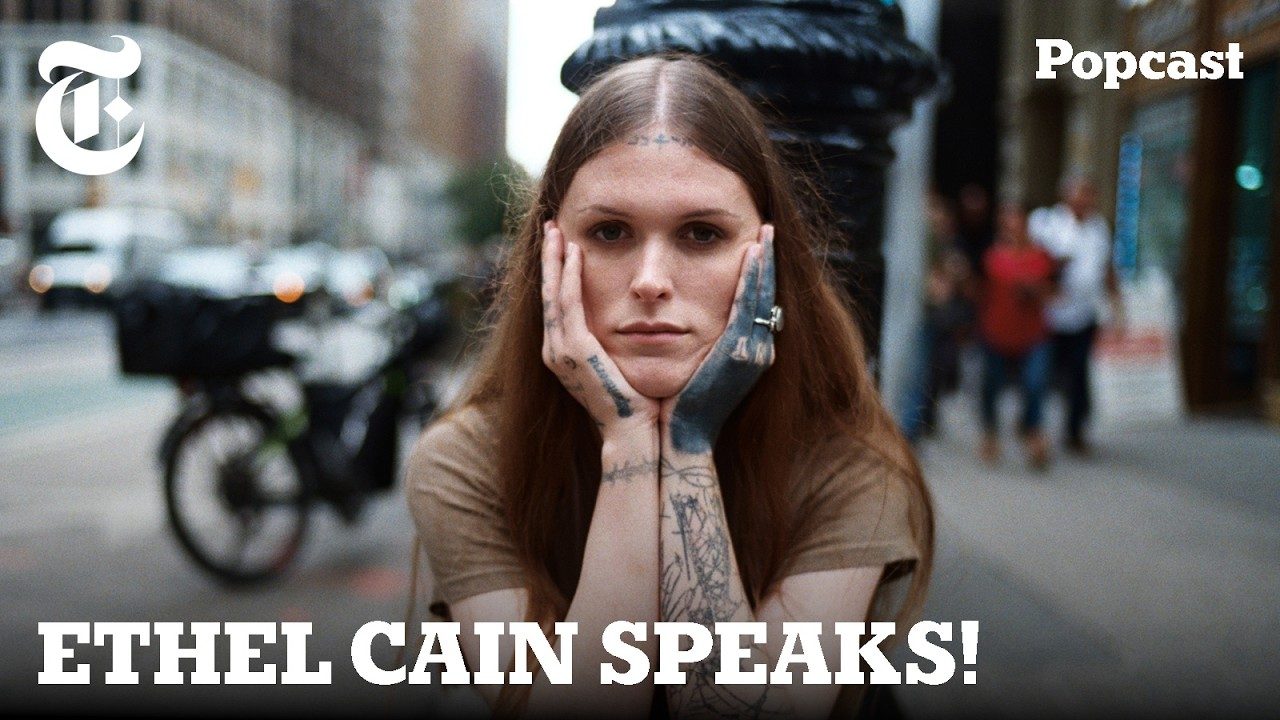
Ethel Cain has spoken directly about this. Hayden Anhedönia built the project largely outside the traditional centers of the music industry, drawing heavily from the landscapes, people, religion, isolation, and culture of the American South. On Popcast from the New York Times, she was asked why she had resisted the familiar move toward Los Angeles after becoming successful, she questioned what that move would actually give her creatively. “Why the hell would I move to Los Angeles?” she said. “What am I going to write about? Sunset Boulevard?” She then described staying close to home in another way: “Why would I leave the well? I need to stay by it if I want to continue drinking and having this inspiration.”
It is an unusually clear description of what the internet has changed. Cain can make work deeply shaped by a particular place while distributing that work to people almost everywhere. The audience does not require her to relocate to it.
Justin Vernon has spent much of his career building a similar relationship between place and creative work in Wisconsin. Bon Iver may travel globally, but Vernon has continued to anchor much of his life and practice around Eau Claire and April Base, his recording complex near where he grew up. “I’m rooted here now,” he said in a recent interview with How Long Gone. “I’ll never be able to leave and not want to.”
Vernon’s most recent album cycle pushes the idea further. Rather than releasing a record and immediately committing to another long international tour, he chose not to tour the album at all. He described feeling unusually calm because the years ahead were not already consumed by the machinery required to move a large musical production around the world. “The possibilities are endless right now,” he said, contrasting that with releasing an album and then knowing that the next two years would be spent touring.
The choice reflects another change created by digital distribution. Recorded music no longer has to be physically carried from city to city for an audience to encounter it. Touring remains important financially, culturally, and socially, but it is no longer the only meaningful way for music to travel. Vernon has even wondered aloud whether the traditional touring model itself needs to remain intact. What if an artist built a permanent space somewhere meaningful and asked people to come there instead? What if the infrastructure stayed put?
That question would have been much harder to ask in an era when reaching an audience depended almost entirely on physical distribution and physical presence. Similar changes are happening in other creative fields. In Lagos, Rachel Ojuromi has used the streets, markets, and everyday spaces around her as the setting for fashion work that has subsequently reached international audiences and fashion publications. In Mumbai, Diya Joukani has similarly turned the city itself into part of the visual language of her work rather than treating international recognition as something that begins only after leaving it.
Those examples share something with Cain and Vernon. The internet has not made place obsolete. It has separated being somewhere from being connected to everywhere else. Creative communities still happen locally. Studios still matter. Venues matter. Friends, collaborators, neighborhoods, landscapes, and regional cultures continue to shape what gets made.
But access to a wider creative world no longer requires every promising artist to eventually arrive in the same few cities. For some people, the most important thing the internet provides is not escape from where they come from. It is the ability to stay.
About this post
Comments
Join the conversation.
Loading…