
What self-publishing makes possible

Publishing a book used to require access to a fairly long chain of people and institutions. An author generally needed an agent, a publisher willing to acquire the manuscript, editors, designers, printers, distributors and retailers before a book could reach readers. That system still produces much of the literature people read, and professional publishing provides expertise that should not be understated. What has changed is that it is no longer the only practical way to put a book into circulation.
Amazon’s Kindle Direct Publishing, or KDP, allows an author to upload a manuscript and cover and publish an ebook, paperback or hardcover without paying Amazon an upfront publishing fee. Physical copies are produced through print-on-demand, which means the author does not need to finance a large print run or store boxes of books before knowing whether anyone will buy them. The finished book can receive its own Amazon product page and be made available across Amazon’s international stores. Authors control the list price and retain ownership of their work. KDP currently offers ebook royalty options of 35 or 70 percent depending on the book and market, while print books can qualify for royalties of up to 60 percent before printing costs.
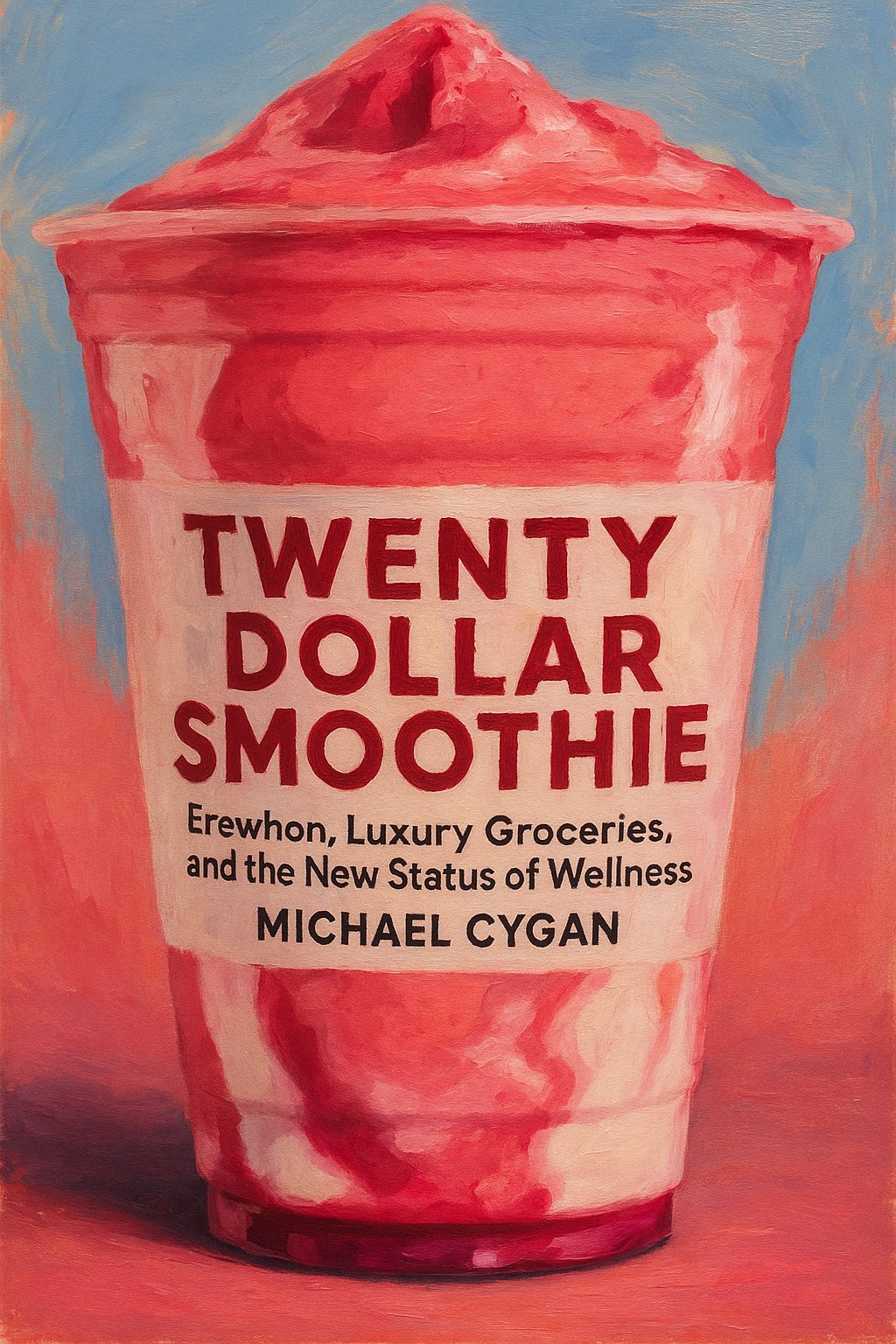
The significance of this is not that self-publishing guarantees an audience. It removes one of the barriers between making something and allowing an audience to decide whether it wants it. A writer can finish a manuscript, have it edited and designed, publish it and make a physical copy available for purchase without first convincing a publishing company that enough other people will eventually want the book. I have used this process myself to self-publish TWENTY-DOLLAR SMOOTHIE: Erewhon, Luxury Groceries, and the New Status of Wellness and other work. The mechanics of making a book available are now relatively straightforward; writing a good book and finding readers remain considerably harder.
Andy Weir’s The Martian is one of the clearest examples of how unusual this change can become. Weir initially released the novel chapter by chapter for free on his website. Readers eventually asked for a version they could download to their Kindles, so he published it on Amazon for 99 cents. The book became a Kindle bestseller, attracted the attention of the traditional publishing industry and was acquired by Crown, which released a new edition in 2014. It later became a major film directed by Ridley Scott. The interesting part of the story is not that every self-published novel might become The Martian. Almost none will. It is that readers were able to encounter the work before a traditional publisher had decided to acquire it.
That changes the role of the publisher slightly. Traditional publishers remain valuable because publishing is much more than uploading a file. Editing, fact-checking, cover design, typography, rights management, publicity, bookstore distribution and marketing all require skill. Self-publishing does not make those functions unnecessary. It makes them separable. An independent author can hire an editor, work with a designer, purchase an ISBN, commission illustrations or manage marketing independently without transferring the entire project to one company. The author effectively becomes the publisher and decides which parts of the publishing process to handle personally and which to contract out.
There are obvious tradeoffs. Making millions of books technically available does not make millions of books discoverable. Amazon’s storefront is crowded, bookstore distribution can be more difficult for independent titles, and the absence of a traditional publisher also means the absence of its editorial judgment, sales relationships and promotional machinery. Poorly edited or badly designed self-published books are easy to produce for precisely the same reason that good independent books are now easier to produce. Lowering the barrier to publication lowers it for everyone.
Still, that is a meaningful change in who gets to participate. A memoir with a small intended audience, a highly specialized technical book, a collection of essays, a local history, an experimental novel or a book by someone without access to the publishing industry no longer has to demonstrate mass-market potential before it can exist as a book. The economic risk of the first copy has fallen dramatically because that first copy can be printed only when somebody orders it. Self-publishing has not solved the difficult parts of writing or finding an audience. It has solved something more basic: if you have written a book and believe it should be available, it is now possible to publish it yourself and let readers make the next decision.
About this post
Comments
Join the conversation.
Loading…